
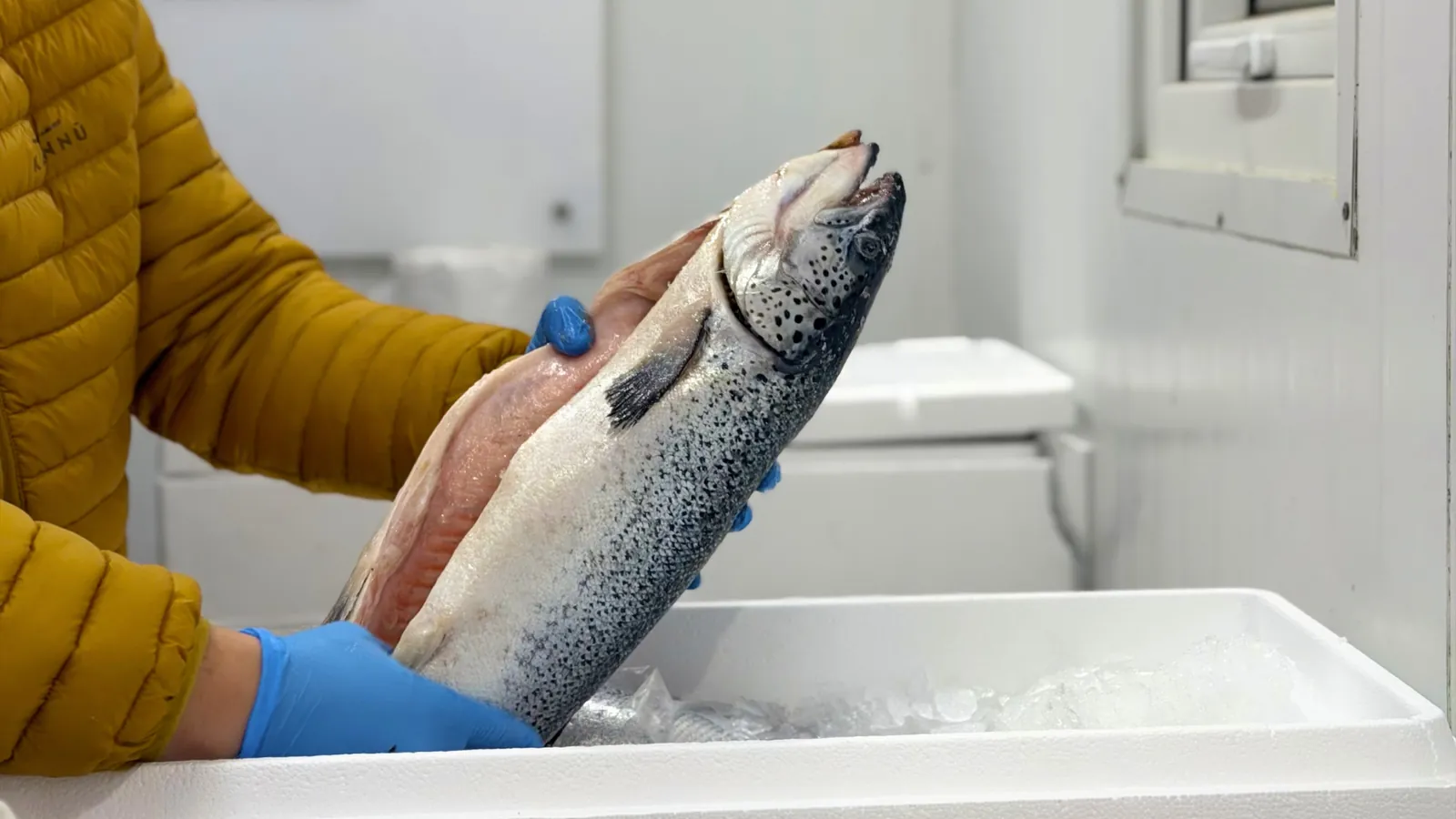
Seafood expertise
From fjord to foodservice: what certified processing really means
Certification is not a logo on a box. It is the set of decisions that keeps a specification stable from harvest to plate.
Market intelligence
Every season, buyers of Atlantic salmon, Coho and rainbow trout face the same question earlier and earlier: which origin, which specification, and which supplier will still be reliable six months from now. Answering it is what salmon export strategy actually means today, and it starts long before a container is booked.
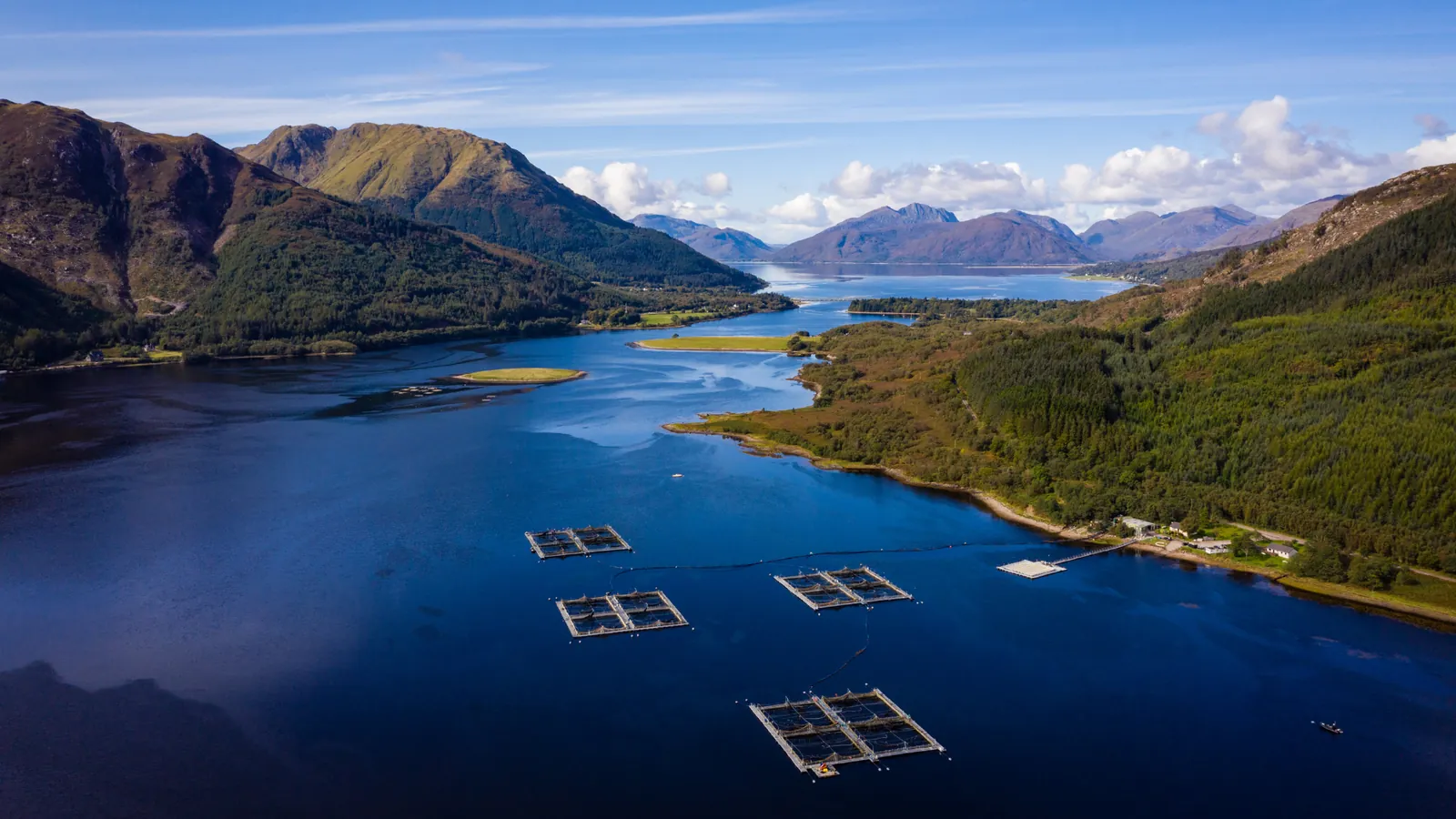
An exporter who leads with price is competing on the one number that carries no information. A quoted figure says nothing about whether the plant will hold the same trim in November, whether the certification will still be current when the container lands, or whether the producer will still have volume when the market moves.
Market intelligence starts by mapping demand instead: retail promotional calendars in North America, foodservice recovery across Asia, tariff changes that alter landed cost into the European Union, and currency movements that quietly redefine what a competitive price even means from one quarter to the next.
Buyers don't need another container. They need a supplier who understands where their market is going.
Most of the useful information is public. What is scarce is the discipline to read it by destination market rather than by species, and to translate it into production decisions early enough to matter.
It means treating each client relationship as a distinct market problem rather than a standing order. A retail chain in Japan and a foodservice distributor in the United States are not buying the same product even when species and format overlap. They are buying different risk profiles, different specification tolerances and different delivery rhythms.
In practice, this shows up in unglamorous decisions: which processing programmes to reserve capacity for, which certifications to renew ahead of demand rather than in response to it, and which producers in the network can flex volume when a market moves faster than the forecast.
The difference between an exporter that sells containers and one that builds supply programmes is where the conversation starts. If it starts with what the plant happens to be running this week, the buyer absorbs the risk. If it starts with what the buyer's market will need next quarter, the exporter absorbs it. That is the whole distinction, and buyers can tell within one call which kind of supplier they are talking to.
At SalmonExport we work across five salmon farms and three processing plants precisely so that the answer to a buyer's question is rarely no. When one origin is short, another covers it. When a market shifts toward portions, we move the programme rather than asking the buyer to wait for the next cycle.
It is the set of decisions that determine what gets produced before a buyer places an order: which species and formats to prioritise, which certifications to hold current, and which producers to reserve capacity with. A strategy is visible in what an exporter can deliver on short notice, not in a price list.
For frozen programmes, one to two quarters gives the exporter room to reserve plant capacity and match origins. Shorter horizons are workable when the exporter draws on several farms and plants, because volume can be reallocated instead of rescheduled.
Because the same words describe different risk. A price tied to a single plant's current run is cheaper and less certain than one backed by several origins. The relevant comparison is not the number but what happens to it if the harvest, the market or the regulation moves.
The United States and Brazil remain the largest volume destinations for Chilean salmon, with Europe and Asia growing in value-added and portion-controlled formats. Latin American regional demand has been the fastest-moving segment for mixed-format programmes.
Talk to us
We build the container around your customers: up to ten products, three species, one shipment and one commercial partner.
Request a quoteKeep reading
Seafood expertise
Certification is not a logo on a box. It is the set of decisions that keeps a specification stable from harvest to plate.
Supply chain
A single plant sells what it runs this week. A network sells what your market needs this quarter.